The happiest years of Bradley's life were those that he spent in the service.
Like many another man, the army had been Bradley's life. He was bred to it and he loved it.
 And he
loved teaching young men. There was a romance and natural drama to the life of a warrior who
imagined
dying someday beneath a foreign sky. Even if they dreamed on the streets of New York City, where
the likeliest death would come from being run over by an automobile.
And he
loved teaching young men. There was a romance and natural drama to the life of a warrior who
imagined
dying someday beneath a foreign sky. Even if they dreamed on the streets of New York City, where
the likeliest death would come from being run over by an automobile.
Bradley lived huge. He and his friends drank, emoted and loved life with every
fibre of their being. He had very close friendships with men he had known from the beginning
of his military career. Their lives would weave apart and back together and it was all
part of the life of the warrior.
Wherever Bradley went, he was able to create a circle around himself of people who could
enjoy life as intensely as he could, himself. During his time at the University of Chicago,
it was the clan that formed around his newspaper column, The Whistler, with himself as The Blind Tiger.
In New York, it was a literary circle in Greenwich Village that partied out of his apartment.
It was a life that he loved. Unfortunately, it was not a life that his wife could love.
 When Bradley met Jean, he was 23 years old and she was barely 17. His character was already
formed and hers was not. She was an artist and
a dreamer, passive by temperament and free only in her mind.
He was the fire that attracted, though her common sense told her to beware being burned. From
almost the beginning of the column in which Tiger courted her, she held herself back. But she
had become for father the personification of the romance for which he lived his life. He
courted her passionately and, in the end, she pushed away her fears of being overwhelmed by this
larger than life man and secretly eloped during a visit to New York.
It took her four months to have the courage to tell her parents what she had done.
When Bradley met Jean, he was 23 years old and she was barely 17. His character was already
formed and hers was not. She was an artist and
a dreamer, passive by temperament and free only in her mind.
He was the fire that attracted, though her common sense told her to beware being burned. From
almost the beginning of the column in which Tiger courted her, she held herself back. But she
had become for father the personification of the romance for which he lived his life. He
courted her passionately and, in the end, she pushed away her fears of being overwhelmed by this
larger than life man and secretly eloped during a visit to New York.
It took her four months to have the courage to tell her parents what she had done.
 Many of mother's qualities were as bright as father made them in his mind. Like him, her
mind was clear and sharp and reached far beyond the common run of thought. She was as kind and as
good, as principled and as caring as he imagined her to be. Her laughter was as quicksilver
as her mind and, even today, it's hard to remember her voice without the laughter that constantly
underlied it. But what she wasn't was a lady on a pedestal. She was as passionately a mother as father was a husband. Father brought her negligees and took her
to nightclubs. What mother wanted were groceries and an evening without his circle of friends
dominating her home. She could do without the drama. For father, life was drama.
Many of mother's qualities were as bright as father made them in his mind. Like him, her
mind was clear and sharp and reached far beyond the common run of thought. She was as kind and as
good, as principled and as caring as he imagined her to be. Her laughter was as quicksilver
as her mind and, even today, it's hard to remember her voice without the laughter that constantly
underlied it. But what she wasn't was a lady on a pedestal. She was as passionately a mother as father was a husband. Father brought her negligees and took her
to nightclubs. What mother wanted were groceries and an evening without his circle of friends
dominating her home. She could do without the drama. For father, life was drama.

Throughout the entire ten years of their marriage they never fought. They should have, of course,
but they didn't.
Perhaps if mother had been less passive, she could have made him see her needs. But even
when he knew he had done something she didn't like, it was still life on the stage. He would take
out his military sword and threaten to fall on it. Her part in the play was to take the sword
away. One day she reached her limit, and took herself away. There was no warning. As they stood
on the platform waiting for the train that he thought was taking her for a visit to her parents,
something in her attitude suddenly made him nervous and
he begged her not to go. But she had made the decision and she wouldn't turn back. Though
father didn't know it then, his marriage was over.
Back To Top


 Copyright © 2001, Mary S. Van Deusen
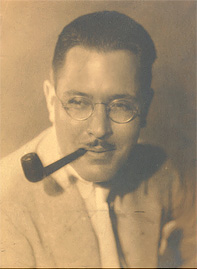

 Bradley was born in 1905 in the Colorado frontier town of
Canon City. His father,
Bradley was born in 1905 in the Colorado frontier town of
Canon City. His father,  Following the divorce, Catharine the elder moved her family to Denver, and it wasn't long before she found
a third husband, Robert Meade Van Deusen. As soon as Van Deusen's divorce was final, Catharine and Robert
eloped to a neighboring state that permitted remarriage immediately.
Following the divorce, Catharine the elder moved her family to Denver, and it wasn't long before she found
a third husband, Robert Meade Van Deusen. As soon as Van Deusen's divorce was final, Catharine and Robert
eloped to a neighboring state that permitted remarriage immediately.
 Childhood pictures of father show him as relatively well-to-do and happy.
The family home was a log cabin with a large library and a fairly standard collection of pets.
Catharine's father,
Childhood pictures of father show him as relatively well-to-do and happy.
The family home was a log cabin with a large library and a fairly standard collection of pets.
Catharine's father,  military career has to be pieced together from multiple sources. He shipped out of
San Francisco Presidio for Manila in 1924, at the age of 19, as part of the occupation force following
the Phillipine insurrection. He was also stationed in China, and returned to the Presidio in 1926.
In 1927 he was based in New York at Ft. Slocum, a small island close to New Rochelle. By
1928, he had been assigned as an instructor in the Military Sciences Department of the University
of Chicago ROTC. Yes, Virginia, there really was a University of Chicago Cavalry. Their
horses were stabled west of the campus near Cottage Grove, and there were discussions about
the young men wearing their spurs to dances. It was at the University of Chicago that
father met Jean, my mother.
military career has to be pieced together from multiple sources. He shipped out of
San Francisco Presidio for Manila in 1924, at the age of 19, as part of the occupation force following
the Phillipine insurrection. He was also stationed in China, and returned to the Presidio in 1926.
In 1927 he was based in New York at Ft. Slocum, a small island close to New Rochelle. By
1928, he had been assigned as an instructor in the Military Sciences Department of the University
of Chicago ROTC. Yes, Virginia, there really was a University of Chicago Cavalry. Their
horses were stabled west of the campus near Cottage Grove, and there were discussions about
the young men wearing their spurs to dances. It was at the University of Chicago that
father met Jean, my mother.
